Hands of Stone, Wood, and Wind: Slovenia’s Living Craft Landscapes

Today we explore Regional Craft Heritage: Alpine, Karst, and Pannonian Traditions in Slovenia, moving from cloud-brushed mountain pastures to sun-bleached limestone terraces and gentle river plains. Along the way we meet woodcarvers, stonemasons, potters, weavers, and food artisans whose skills translate geology and climate into objects of daily grace. Expect practical insights, intimate stories, and ideas for meaningful engagement—collecting thoughtfully, visiting respectfully, learning patiently, and sharing generously so these resilient skills continue to breathe within homes, workshops, and communities.

Mountains Carved in Wood

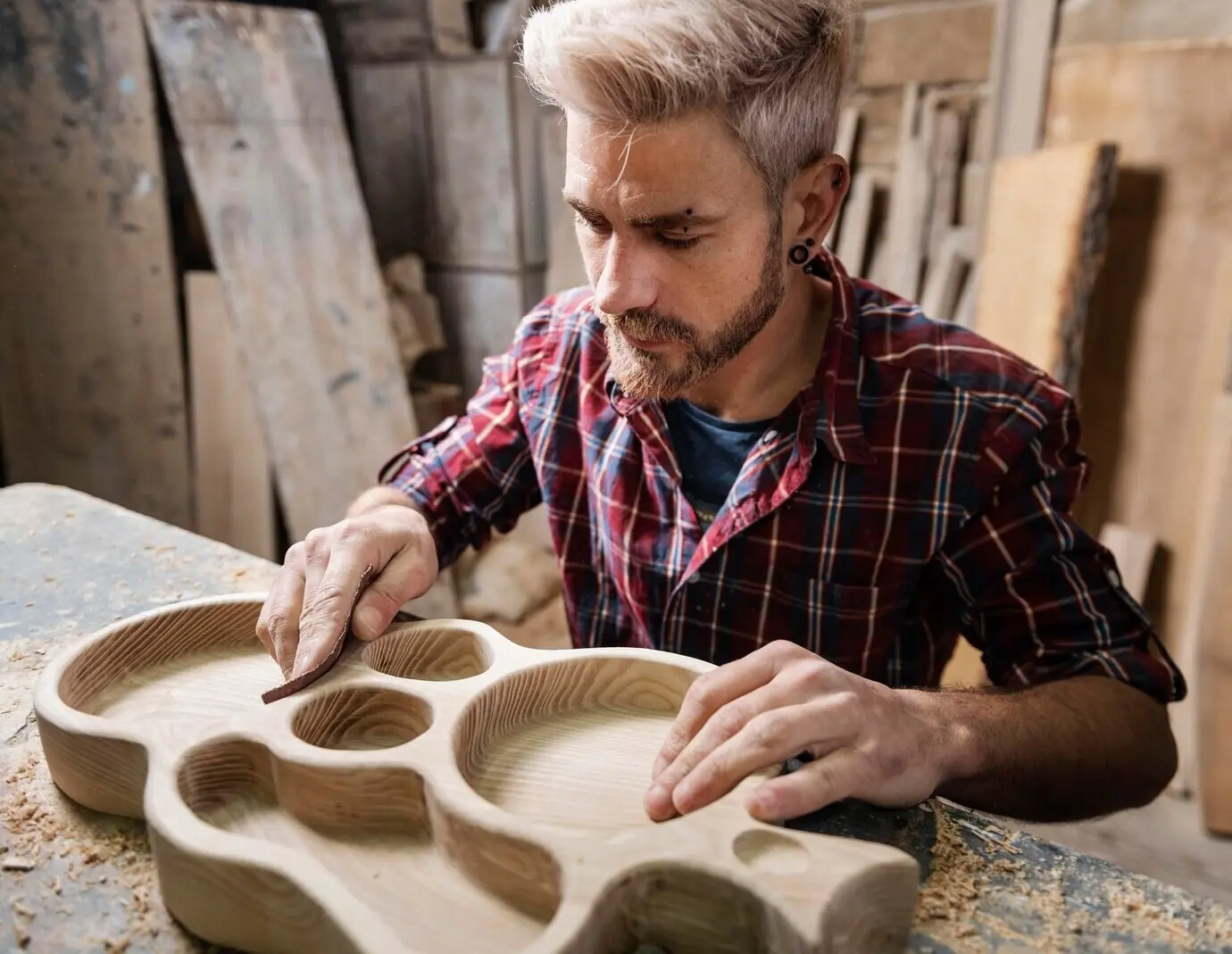
In the Alpine north, tools sing across benches polished by generations, and fragrant shavings fall like snow upon sturdy floors. Herding shaped everything: spoons, butter molds, walking staffs, sleek milk pails, and cradle toys carved during quiet evenings. The grain of spruce and larch holds weathered wisdom, while maple warms under oil and touch. Crafts here echo mountain rhythms—seasonal migrations, communal barns, and long winters that reward patience, deft wrists, and the steady, listening breath of a maker at work.
Herdsmen once returned from summer pastures carrying stories and ideas, converting them into carved patterns on spoons, cups, and boxes. Each notch tracked a memory—storms, births, friendships. Today’s carvers still reference these journeys, simplifying forms for modern kitchens while keeping tactile honesty. If you own a carved utensil, consider how it teaches your hands to move slower, your meals to pause, and your guests to ask questions that open doors between yesterday and tomorrow.
A herd announces itself through bronze and brass, every bell tuned for distance and identity. Bell-makers listened to valleys, testing tones under cliffs and across meadows until notes aligned with rock and air. Modern workshops continue this attentive craft, balancing resonance, thickness, and clapper shape. When you hear a distant chime on a trail, remember: someone shaped that echo with hammers, fire, and geometry, composing a moving chorus that guides animals and steadies human hearts.
Long Alpine nights once turned into studios of quiet companionship. Families gathered near tiled stoves, knives flashing safely against protective blocks while grandparents told folktales that threaded meaning through each shaving. Such evenings trained concentration and kindness alongside skill. Today, carving circles recreate that atmosphere: tea steaming, projects shared, mistakes laughed into lessons. Join one when you can, or host friends at home, letting small wooden projects reconnect talk, touch, and time.

Stone and Wind in the Karst

On the Karst plateau, limestone holds centuries of sun, and the bora wind sculpts both rock and resolve. Stonemasons learned patience from ledges, stacking dry walls that breathe with seasons, framing terraced vineyards and protecting gardens. Courtyards gather around cistern mouths, iron rings cool beneath palms, and cellars temper pršut and cheese. Every chisel mark balances force and finesse, translating a landscape of scarcity into durability, dignity, and the quiet confidence of well-fitted joints.

Walls That Listen to Weather

Dry-stone building depends on conversation—between stones, mason, and wind. Nothing binds except gravity, friction, and accumulated judgment. A good wall survives gusts by yielding, draining, and settling, much like a wise neighbor who mediates disputes by letting truths find their level. Hike a vineyard path at dusk, run your fingers across warm blocks, and feel how carefully chosen voids protect roots, paths, and stories, without mortar or boast, only balance and steady hands.

Courtyards, Cisterns, and Gathered Thirst

Where rain is rare and sudden, families shaped homes around water. Stone gutters kiss tile edges, guiding storms toward carved mouths that feed underground cisterns. Buckets rise like small moons, wet rims glossed by decades of careful lifting. These spaces nurture more than thirst; they host gossip, songs, recipes, and plans. If you photograph such details, credit the households that maintained them, and share practices for conserving water today, honoring ingenuity forged under relentless skies.

Air-Cured Wisdom

Karst cellars and winds transform meat, herbs, and cheeses into concentrated flavors. Racks creak gently as breezes thread corridors, while salt, time, and watchful eyes do delicate arithmetic. The process feels simple but demands constant sensing—smell, weight, color, touch. Visit producers who explain what to look for, taste thoughtfully, and ask permission before posting photos. Reciprocity keeps knowledge alive: purchase directly, tell friends respectfully, and return in another season to learn what patience revealed.

Fields, Threads, and Clay in the Pannonian Plain
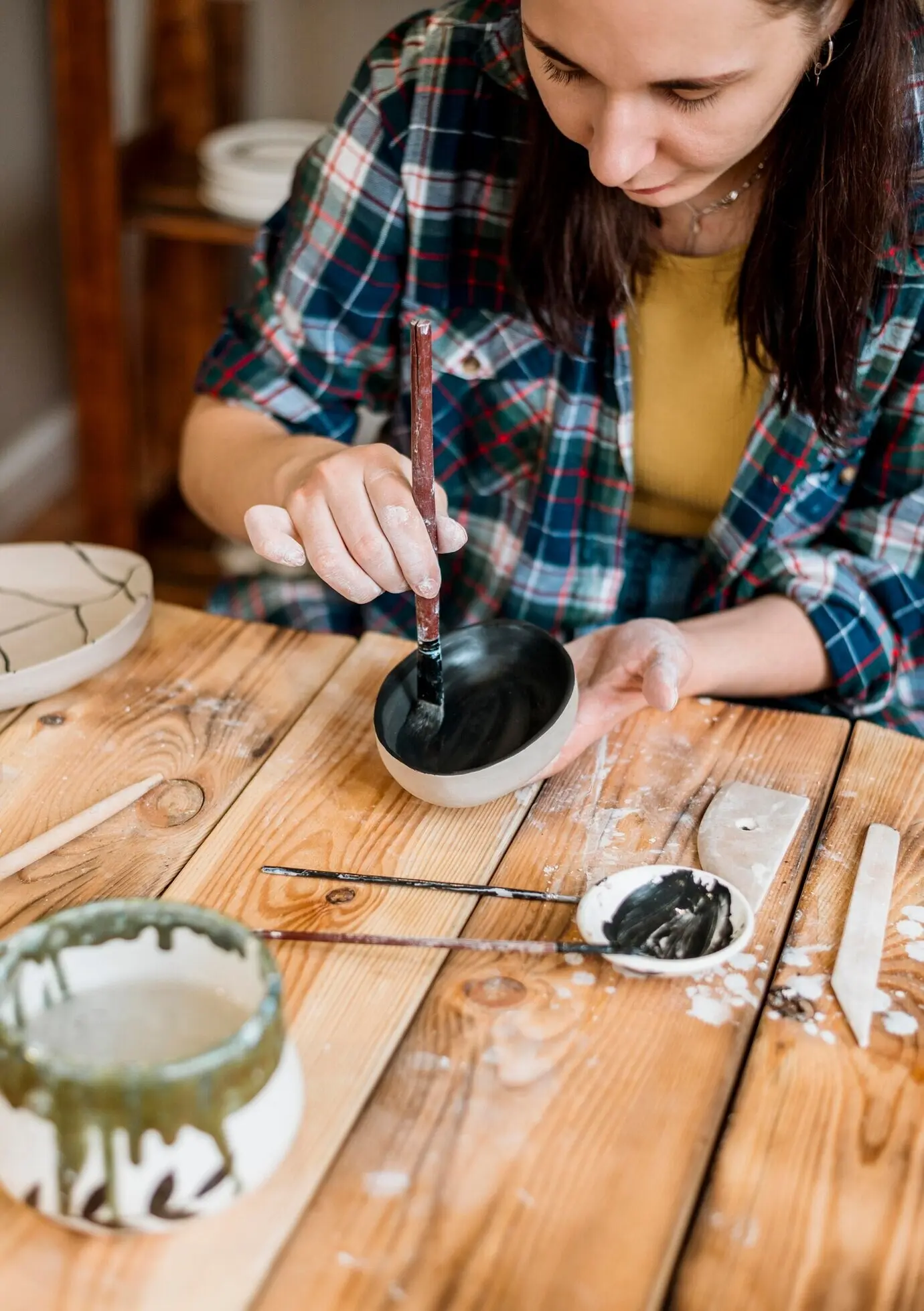
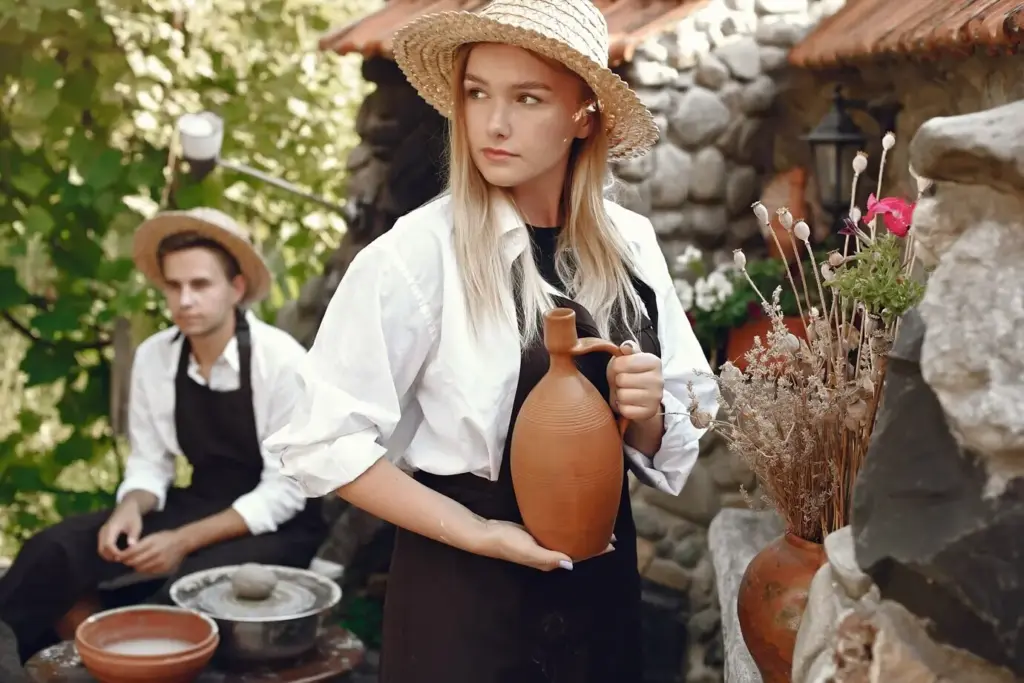
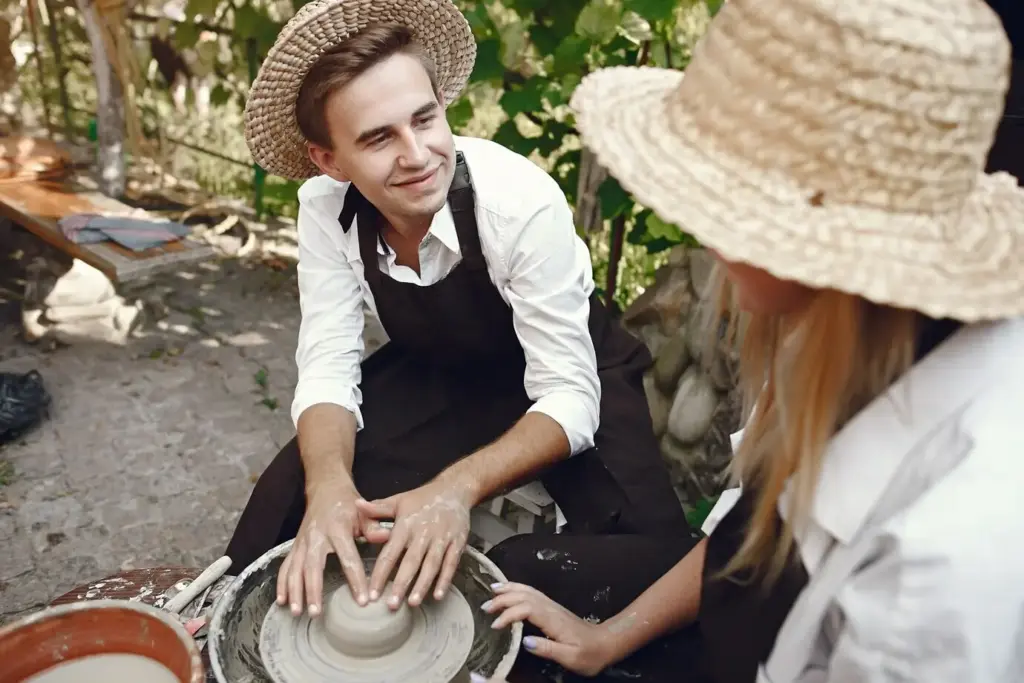
Eastward, the Pannonian lowlands stretch with wheat, pumpkin, willow, and clay. Basket makers tune fingers to riverside osiers; weavers hum across looms; potters coax smoke-dark surfaces from low, smoldering kilns. Village fairs brighten with embroidered blouses, straw hats, and the proud green shimmer of pumpkin-seed oil. These crafts favor soft gradients, open horizons, and neighborly exchange, binding households through harvest chores, communal ovens, and the rhythmic slap of clay that centers community as surely as it centers bowls.

A Story in Every Edge

Border patterns are quiet philosophers. They teach that boundaries can protect without isolating, inviting eyes to linger while holding space. Compare carved frames from mountain cottages with embroidered hems from lowland dresses: both direct attention inward, both celebrate careful endings. Try sketching a border from memory after visiting a workshop; you will find your pencil slowing, your breath syncing with repetition, and your appreciation growing for craftspeople who steward transitions as lovingly as centers.

Tools That Travel, Skills That Settle

A spindle, chisel, or shuttle fits any pack, yet techniques adapt to landscape. Wool twists thicker where winters bite; chisels shorten where stone is brittle; reeds widen when harvests are generous. Craftspeople notice such details without boasting, learning by listening to materials and neighbors. When you meet a maker from another valley at a fair, ask what changed in their hands after moving. Their answer will map a geography of touch more accurately than any road sign.

Festivals as Living Archives

Seasonal gatherings stitch archives into parades, markets, and courtyard concerts. Costumes breathe again, tools leave shelves, and recipes leap from notebooks to platters. Attend with humility: arrive early, ask questions softly, and leave space for locals to see, greet, and reminisce. Photograph with permission; share names where welcomed. Then, stay after cleanup, when stories bloom most freely. That’s when elders point to scrapes on benches and remember apprenticeships, rainstorms, and jokes that still sharpen the craft.

Learning, Preserving, and Designing Forward
Good stewardship honors elders while inviting fresh eyes. Apprenticeships pair rhythm and responsibility; community workshops bridge generations; designers collaborate with artisans to refine silhouettes without sanding away soul. Museums archive tools, but the most important storage remains in muscles, ears, and fingertips. When contemporary studios reference lace, bells, baskets, or stone, they do so by asking, testing, and returning. Support this loop by subscribing to newsletters, commissioning repairs, and attending open studios where process is shared generously.

Apprentice Paths That Respect Time

Learning a craft means accepting slow rewards. First, sweep floors, oil blades, and watch. Then, repeat small tasks until your hands think faster than your doubts. Mentors teach more than technique; they model patience, pricing honesty, and how to say no kindly. If you seek lessons, propose a schedule that sustains the master, not just your curiosity. Reliable presence and thoughtful questions open doors that quick money or glamorous posts never will.

Museums as Workrooms, Not Closets

The best exhibitions offer smells of resin, clinks of stone, and samples you may safely touch. Labels explain lineage and function, but demonstrations anchor memory through sound and motion. Ask for programming that brings makers in regularly, and donate to funds that cover travel and tools. When you leave, try one small technique at home—twisting cord, mending a hem, oiling a board—so display vitrines become invitations rather than endpoints, and heritage keeps circulating beyond glass.

Journeys for Curious Hands

Travel knits understanding when paced with rest and attention. Plan routes that connect mountain carving villages, Karst stone hamlets, and Pannonian weaving towns, pausing for workshops, farm tastings, and conversations in museums and markets. Choose homestays or family-run inns that know local makers; buy smaller but better; ship thoughtfully; and record stories with consent. When you return, share your itinerary with our readers, subscribe for new routes, and invite friends to join respectful, craft-centered adventures.

Routes that Breathe

A gentle itinerary might begin with dawn on a high pasture, move to a midmorning bell-maker’s forge, pause for a simple lunch, then cross to stonemasons tracing shadows along walls. Next day, drift east for loom music and clay. Leave cushions for serendipity: roadside stalls, open gates, and festival posters tacked to café boards. Comment with your pacing tips; your rhythms help others travel kindly, avoiding rush while savoring makers’ scarce, precious teaching time.

Markets, Fairs, and Honest Buying

At stalls, ask who made each piece, how long it took, and which part was hardest. Pay fairly, resist bargaining below dignity, and request care instructions to extend life. Look for signatures, hallmarks, or workshop stamps. If a seller imports items, thank them and keep searching for local hands. Share photos that credit makers by name, and tag locations thoughtfully so workshops welcome guests prepared to learn, not to extract. Your purchases shape tomorrow’s stalls.

Museums and Villages to Explore

Balance renowned institutions with pocket gems: a city ethnographic museum with generous guides, a blacksmithing town where hammers sync like heartbeats, a hilltop village of stone courtyards that frame wind, and an eastern hamlet where smoke-kissed pottery cools on wooden racks. Always check opening times, write ahead, and offer feedback afterward. Post your discoveries in our comments, recommend guides who listen well, and subscribe for quarterly maps curated by makers who know every bend and bench.
Telilivolumapalonilokento
Privacy Overview

This website uses cookies so that we can provide you with the best user experience possible. Cookie information is stored in your browser and performs functions such as recognising you when you return to our website and helping our team to understand which sections of the website you find most interesting and useful.