Ethical Buying Guide to Slovenia’s Slow‑Made Goods

Journey through Slovenia’s mountains, valleys, and salt pans to discover slow-made goods created with patience, skill, and respect for people and place. We’ll explore practical ways to buy responsibly, verify origin, reward fair labor, and minimize waste, while celebrating stories from lace makers, beekeepers, cheesemakers, woodcarvers, and ceramicists. Share your questions, favorite finds, or travel tips in the comments, and subscribe for future field notes and artisan spotlights across the country.

Know the Makers, Understand the Land

Ethical choices begin with real relationships. Slovenia’s small scale means you can meet the people shaping wool, wood, clay, salt, and honey, and see how landscapes guide materials and methods. From Alpine pastures to the Karst and the Adriatic coast, every region carries distinct resources and rhythms. Listening to makers’ processes, challenges, and joys helps you choose pieces that honor time, skill, and community rather than fleeting trends or anonymous production.

Proof of Origin and Integrity

Transparency matters as much as beauty. Learn how Slovenia’s producers document materials, labor, and place through certifications, batch numbers, and community trust. Understand EU quality schemes, read labels critically, and cross-check claims with maker narratives. Genuine integrity feels consistent across pricing, packaging, and storytelling. By rewarding verifiable honesty, you help responsible workshops survive copycats, discourage shortcuts, and build a culture where careful sourcing is celebrated rather than hidden behind glossy branding.

Reading EU Quality Labels

Familiarize yourself with EU schemes: PDO protects products strongly tied to a place and method; PGI safeguards regional reputation; TSG preserves traditional recipes. In Slovenia, look for indications associated with items like Piran salt, Tolminc or Bovški cheeses, Kraški pršut, or Kranjska klobasa. Certification is not everything, but it’s a solid starting filter when combined with maker conversations, batch tracking, and visible production steps you can actually witness or verify.

Tracing Materials and Labor

Ask for invoices listing materials, workshop addresses, and lead artisans. Note serial numbers, dye lots, or batch dates on ceramics, textiles, and food products. Responsible producers often publish supplier lists or explain how they audit inputs like wool scouring, natural dyes, or food-grade finishes. The aim is not interrogation, but partnership: your curiosity reinforces good recordkeeping, encourages fair contracts, and helps small workshops plan stable production without racing toward volume at any cost.

Low‑Impact Materials and Processes

Ask about sheep breeds, pasture practices, and scouring methods when buying woolens; Jezersko–Solčava heritage flocks, for instance, thrive in Alpine conditions producing resilient fibers. Linen and hemp breathe well, resist odors, and require less frequent washing than synthetics. Prefer plant-based or low-impact dyes, and examine seams for easy mending. Well-finished edges, spare buttons, and labeled yarn types make long-term care simpler, keeping garments in rotation rather than destined for landfill after one hard season.
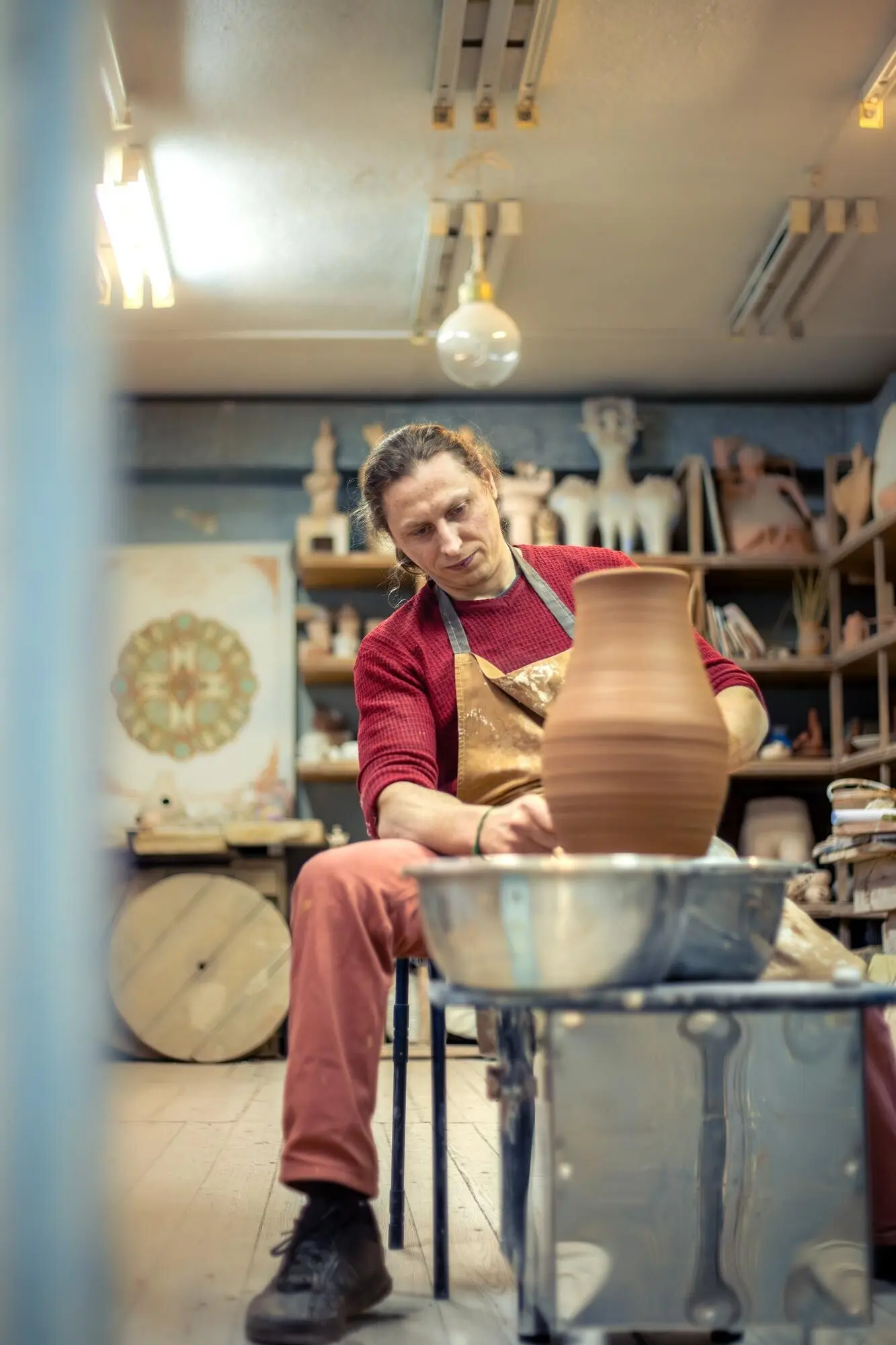
Assess construction and timelessness. A thoughtfully proportioned ceramic mug or hand-carved spoon should balance weight and grip, resisting chips with appropriate clay bodies and finishes. Furniture with replaceable parts and straightforward joinery survives moves and repairs. Neutral palettes age gracefully, encouraging multi-year use. Makers who explain stresses, care routines, and repair methods invite you into stewardship, turning ownership into a relationship rather than a momentary purchase chasing novelty or seasonal color charts.
Prioritize plastic-free or recycled packaging, sturdy enough to prevent breakage without padding excess. Encourage consolidated shipments, ground transport when feasible, and local pickup during travel. Ask sellers to list material origins, end-of-life options, and repair contacts inside parcels. If carbon-neutral delivery is offered, verify the provider and methodology. When gifting, add a handwritten maker credit and care guide so recipients value the story, treat the piece gently, and keep it circulating longer.

What a Fair Price Includes

Expect prices to cover design hours, prototyping, tool maintenance, studio rent, waste reduction, certification fees, and safe working conditions, not only raw materials. For food producers, factor animal care, pasture management, and weather variability. Complexity matters: bobbin lace, carved handles, and hand-thrown tableware require meticulous repetition before mastery. Paying fairly keeps workshops solvent between seasons, enabling investment in better equipment, insulation, and training that reduce environmental impact while stabilizing livelihoods for entire families.

Questions That Build Trust

Invite dialogue without pressure. Ask how long an item takes to make, whether assistants are involved, and how they’re compensated. Inquire about VAT receipts and whether prices include repair services or refitting. Makers who can break down timelines and costs usually manage responsibly. If numbers seem suspiciously vague, consider alternatives. Your calm curiosity models a market where clarity is normal, pride in craft is visible, and buyers and sellers collaborate on sustainable expectations.

Community Investment Signals

Notice mentoring, internships, and collaboration. Ribnica’s woodcraft heritage endures where artisans share drying kilns, bulk-buy finishes, and host classes. Lace circles keep techniques alive by teaching teens and preserving patterns. Cooperative dairies stabilize milk prices so cheesemakers can mature wheels slowly. When you support enterprises contributing beyond their doors—sponsoring events, restoring tools, or hosting open studios—you reward behaviors that knit resilient economies, keeping craft neighborhoods vibrant and welcoming for future generations of makers and buyers.

Where to Shop with Confidence

Prioritize spaces that champion provenance and fair practice. In Slovenia, you’ll find excellence at central markets, seasonal craft fairs, cooperative stores, museum shops, and maker collectives. Curated selections usually come with maker bios, material notes, and care guides. Look for receipts with workshop addresses, transparent return policies, and published codes of conduct. Online, choose platforms that verify identities and storytelling. If something feels rushed or opaque, slow down and seek a clearer source.

Markets and Fairs

Start at Ljubljana’s Central Market for cheeses, honey, spice mixes, and seasonal produce, then explore weekend craft stalls and regional fairs in Maribor, Kranj, and coastal towns. Ask for tasting notes, curing methods, or wood species. Observe consistency between signage and labels. Makers who introduce neighbors at adjacent tables often collaborate, offering cross-discipline knowledge. Visit early for deeper conversations, or near closing for unhurried browsing, always respecting artisans’ time and tidy displays.

Cooperative Stores and Museum Shops

Seek cooperative outlets and museum shops that vet makers, document processes, and pay fair margins. The Ribnica Handicraft Centre highlights traditional woodenware with maker profiles; the Slovene Ethnographic Museum’s store often contextualizes techniques and regions; Sečovlje Salina Nature Park shops explain heritage salt harvesting. These venues typically publish sourcing policies, offer care guidance, and connect you to studio visits. Purchases here fund preservation, education, and exhibitions that keep knowledge public and accessible.

Textiles That Age Gracefully

Wash wool, linen, and hemp sparingly with mild detergents, air-drying flat and out of direct sun. Mend snags promptly; a tiny darn prevents a bigger tear. Store lace and knitwear clean, folded with acid-free paper. For colorfastness, test a hidden edge before washing. If a piece softens or stretches, celebrate the evolving hand as part of its story. When uncertain, message the maker for fiber-specific care notes or professional cleaning recommendations.

Wood, Clay, and Metal Maintenance

Renew wooden utensils with food-safe oils or beeswax, sanding lightly along the grain if fibers lift. Hand-wash ceramics, avoiding sudden temperature shocks; place felt pads under planters, and keep a small repair kit for chips. Dry forged knives immediately, stropping edges rather than over-sharpening. Document maintenance dates inside a notebook or phone note for reference. These small rituals convert ownership into stewardship, preserving tactile pleasure and function through years of everyday use.
Telilivolumapalonilokento
Privacy Overview

This website uses cookies so that we can provide you with the best user experience possible. Cookie information is stored in your browser and performs functions such as recognising you when you return to our website and helping our team to understand which sections of the website you find most interesting and useful.