Wander the Handcrafted Heart of Slovenia
Map Your Unhurried Route
Choosing Pace Over Speed
Begin with hours, not kilometers. Plan for a single village before lunch and one studio before dusk. Accept detours when a bell rings from a courtyard, or a stranger points toward a side street where a door stands open, the rasp of a file promising something unforgettable worth missing the earlier train.
Following Seasonal Rhythms
Winter fires reveal ironwork more vividly; spring festivals stitch bobbins into parades; late summer salts the air with crystals; autumn presses honey and memory into gingerbread. Call ahead, read local calendars, and leave a margin for weather, harvests, and spontaneous invitations that turn a plan into a living, breathing itinerary shaped by place.
Getting Around Lightly
Ride regional trains with a book and a tote for delicate finds, borrow a bicycle for last-mile freedom, and walk the final lanes where sawdust perfumes corners. Pack layers, a notebook, and patience. Light bags protect both your shoulders and fragile objects, while slower transport keeps conversations intact between one craft bench and the next.

Morning in a Shavings-Scented Workshop
Arrive early, when light slants through a small window and shavings curl like ribbons across the floor. A maker named Marko greets you with resin on his fingers, lifts a plank to his ear as if listening for grain, then asks your name before guiding a knife that learns patience from your hesitant grip.
Learning to Shape Utility and Grace
You practice on beech, discovering how a spoon’s belly balances soup and silence. The lesson is equal parts pressure, angle, and humility. Marko tells of his grandmother’s traveling basket, selling wares village to village, surviving lean seasons by crafting pieces that worked hard yet felt like company in a quiet kitchen.
Bringing a Spoon Home Responsibly
Choose pieces stamped by the cooperative or signed by the maker, confirming local wood and fair pricing. Ask about drying times and care, and request paper wrapping instead of plastic. Photograph the maker with your purchase, learn a Slovene thank-you, and remember the hands that will echo each time you stir, serve, and share.
Lace That Holds the Mountains: Idrija
Iron and Fire in Kropa and Železniki
Sweet Heritage: Radovljica, Gingerbread, and Bees
Painting a Story on Wood and Sugar
Meeting the Carniolan Bee
Tasting Patience in Every Bite
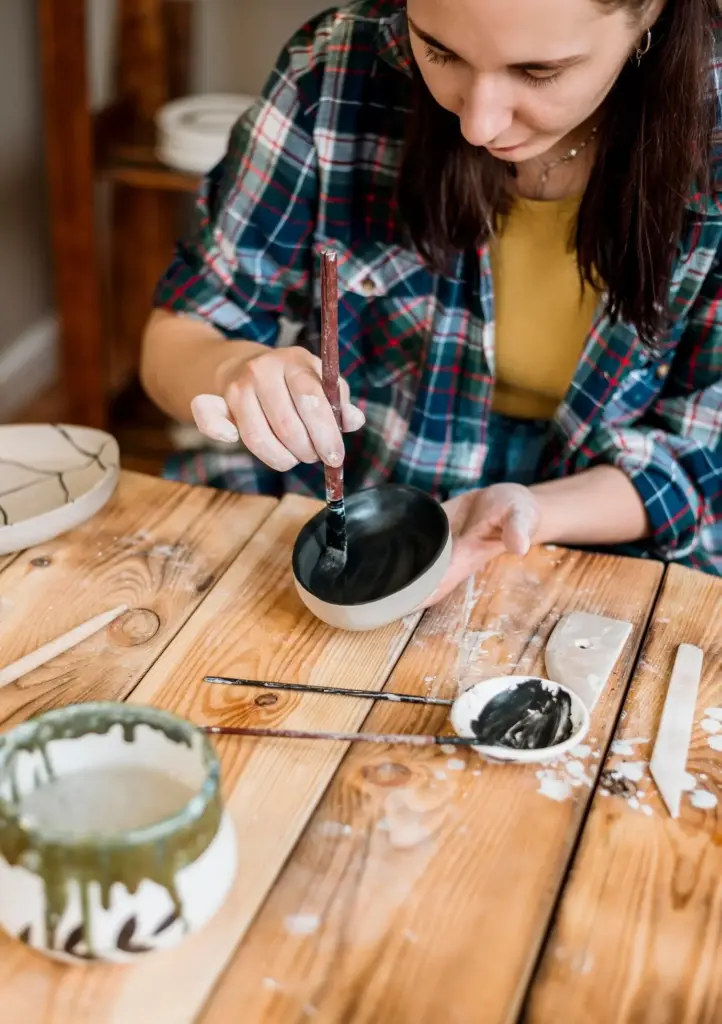
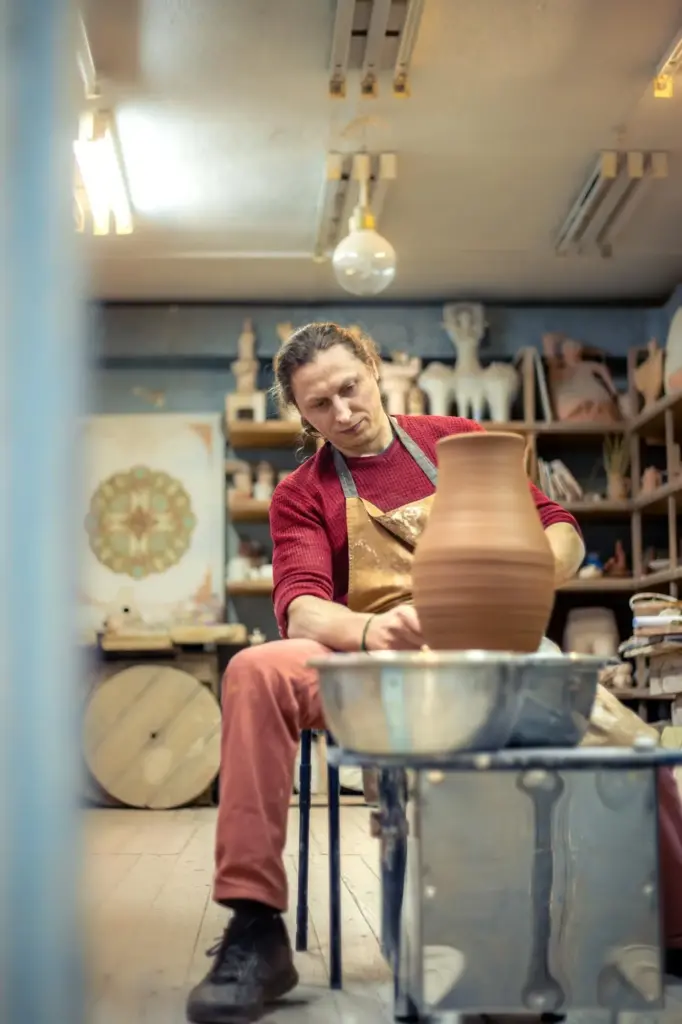
Salt, Clay, and Coast: Sečovlje, Piran, and Ptuj
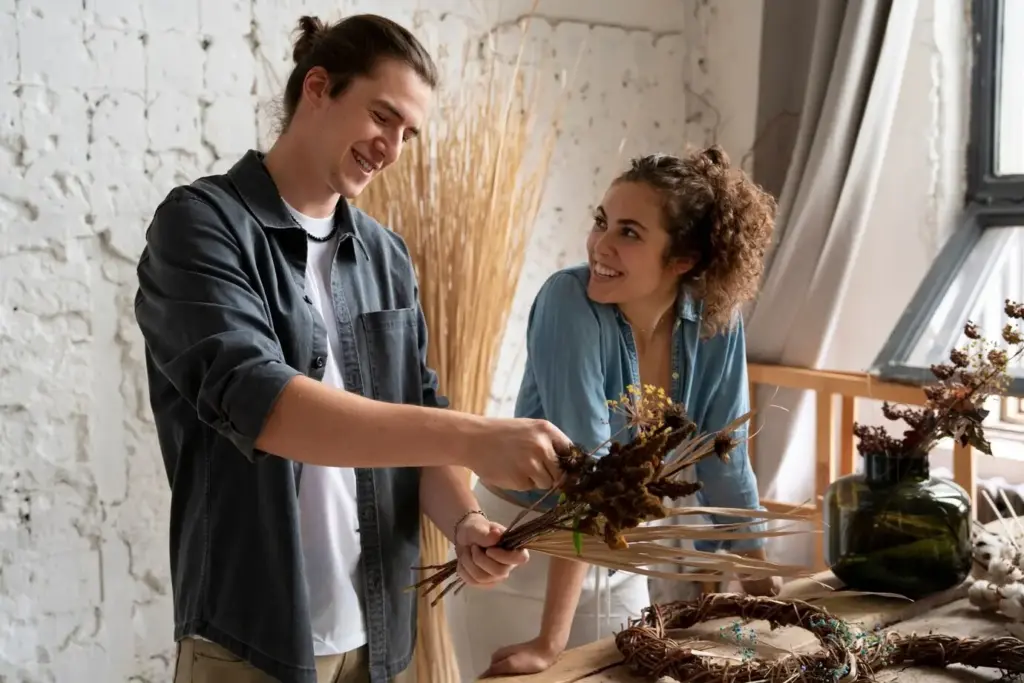
Keep the Conversation Going
Share Your Map and Moments
Post a photo of your spoon’s first stir, your lace’s first neat row, your hook’s first duty. Mention where you lingered, who taught you the trick that finally worked, and how the train window framed hills like pages. Your story becomes someone else’s courage to turn left instead of rushing straight.
Join the Mailing Stitch
Add your email to receive new slow routes, maker spotlights, and seasonal workshop openings before they fill. We send only thoughtful notes shaped by real visits, interviews, and small surprises. Hit reply with suggestions, corrections, and introductions—we love when this path becomes a braid woven by many attentive hands together.
Ask, Listen, and Return
Write questions for blacksmiths, saltworkers, potters, beekeepers, and woodcarvers, then listen longer than feels comfortable. Practice a few Slovene phrases—hvala and prosim travel far. Return someday not to collect more objects, but to deepen relationships, because the best souvenir of these routes is permission to move through the world more carefully.

All Rights Reserved.