Ethical Buying Guide to Slovenia’s Slow‑Made Goods
Know the Makers, Understand the Land
Proof of Origin and Integrity
Reading EU Quality Labels

Tracing Materials and Labor
Low‑Impact Materials and Processes
What a Fair Price Includes
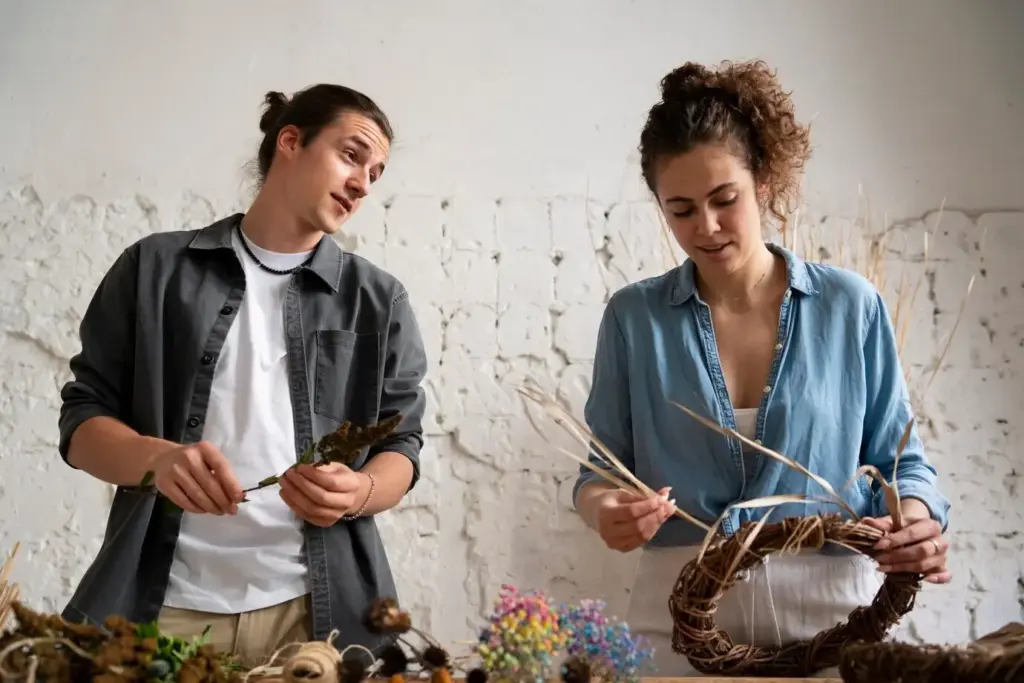
Expect prices to cover design hours, prototyping, tool maintenance, studio rent, waste reduction, certification fees, and safe working conditions, not only raw materials. For food producers, factor animal care, pasture management, and weather variability. Complexity matters: bobbin lace, carved handles, and hand-thrown tableware require meticulous repetition before mastery. Paying fairly keeps workshops solvent between seasons, enabling investment in better equipment, insulation, and training that reduce environmental impact while stabilizing livelihoods for entire families.
Questions That Build Trust
Invite dialogue without pressure. Ask how long an item takes to make, whether assistants are involved, and how they’re compensated. Inquire about VAT receipts and whether prices include repair services or refitting. Makers who can break down timelines and costs usually manage responsibly. If numbers seem suspiciously vague, consider alternatives. Your calm curiosity models a market where clarity is normal, pride in craft is visible, and buyers and sellers collaborate on sustainable expectations.
Community Investment Signals
Notice mentoring, internships, and collaboration. Ribnica’s woodcraft heritage endures where artisans share drying kilns, bulk-buy finishes, and host classes. Lace circles keep techniques alive by teaching teens and preserving patterns. Cooperative dairies stabilize milk prices so cheesemakers can mature wheels slowly. When you support enterprises contributing beyond their doors—sponsoring events, restoring tools, or hosting open studios—you reward behaviors that knit resilient economies, keeping craft neighborhoods vibrant and welcoming for future generations of makers and buyers.
Where to Shop with Confidence

Markets and Fairs
Cooperative Stores and Museum Shops
Textiles That Age Gracefully
Wood, Clay, and Metal Maintenance

All Rights Reserved.